Harvest sooner, or run fewer cells for the same copper
Plating time is set by current density. Most tankhouses stop at 300 to 350 A/m² because cathode quality falls apart above that. EXMAJET® agitates every cell with a fine air-electrolyte emulsion so you can run above 500 A/m² and still harvest smooth cathodes. Use it to harvest in fewer days and produce more from the same cells, or to make today's copper with fewer cells in service and less work on the tankhouse floor.
>500A/m² with smooth deposits in plant and laboratory trials, against 150 to 350 A/m² in conventional cells
3-4day harvest cycles at 400 to 466 A/m² in an industrial cell, 14 harvests in a row
Or the same copper from fewer cells, at about the same rectifier power
Patented invention, Chile. Developed with CORFO innovation funding and characterised in ANSYS Fluent.
Two ways to use the extra current density
At the same cathode weight, plating time falls in proportion to current density. Take it as more copper from the same cells, or as the same copper from fewer cells. Move the sliders to your plant's numbers.
day plating cycle with EXMAJET®
Harvests over 60 days
Today
EXMAJET®
Why plants cannot simply turn up the current
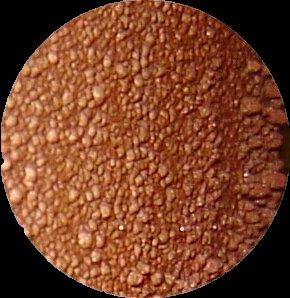
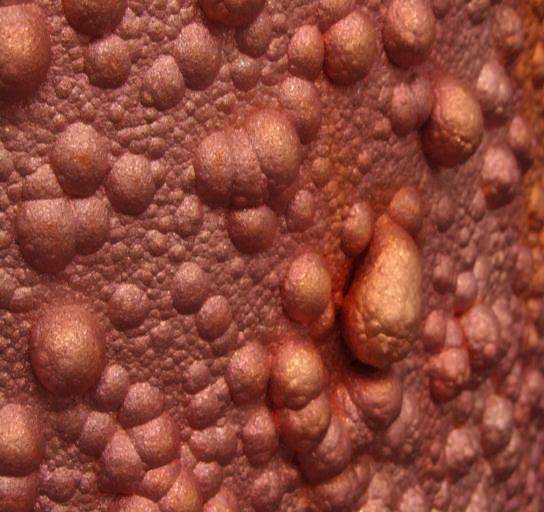
In a conventional cell, the only agitation comes from oxygen rising off the anodes and from natural convection. Near the bottom of the cathode the diffusion layer is thickest, copper ions arrive too slowly, and pushing more current produces nodules, roughness and shorts.
That is why most tankhouses stay between 150 and 350 A/m² with 6 to 7 day plating cycles, and why plants are built larger than the chemistry needs. The limit is not the cells or the rectifier design: it is how fast copper ions reach the cathode.
Air sparging thins the diffusion layer, but conventional spargers need blowers or compressors, tight pressure control, air pretreatment and pipes on the cell floor that must come out at every cleaning.
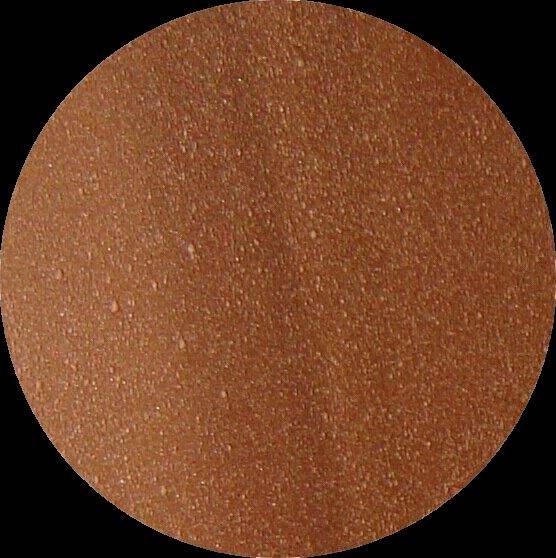
Diffusion layer thickness up the cathode
Published laboratory profile, redrawn: thickness of the diffusion layer (mm) against height from the cathode bottom (cm).
 No aeration
 EXMAJET®
 No aeration
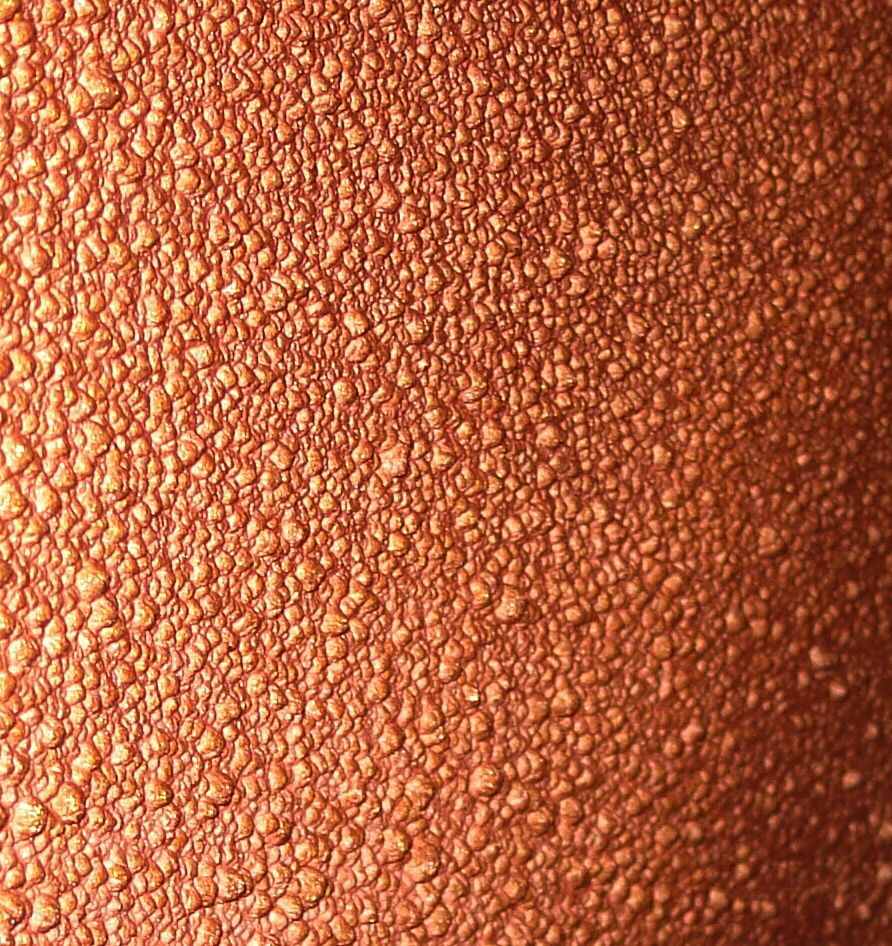 EXMAJET®
How EXMAJET® works
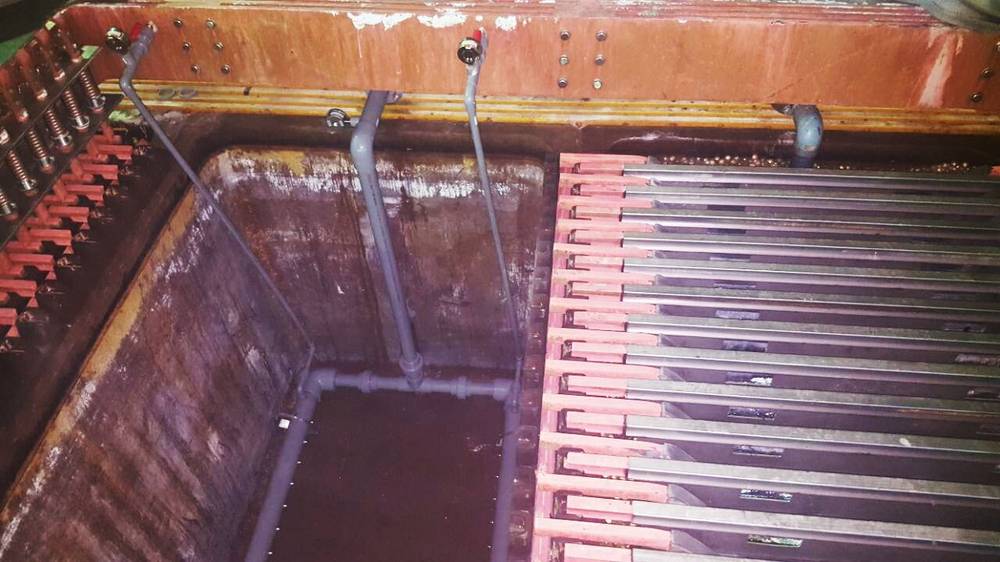
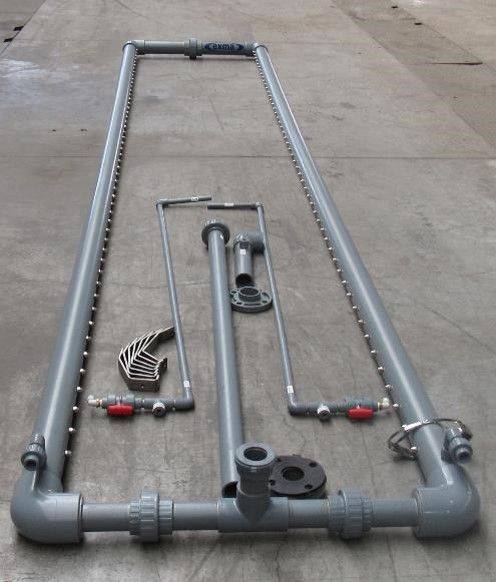
Filtered cell feed electrolyte enters a coaxial manifold that runs around the bottom of the cell. Stainless steel injectors along both long sides jet it inward, just below the electrodes.
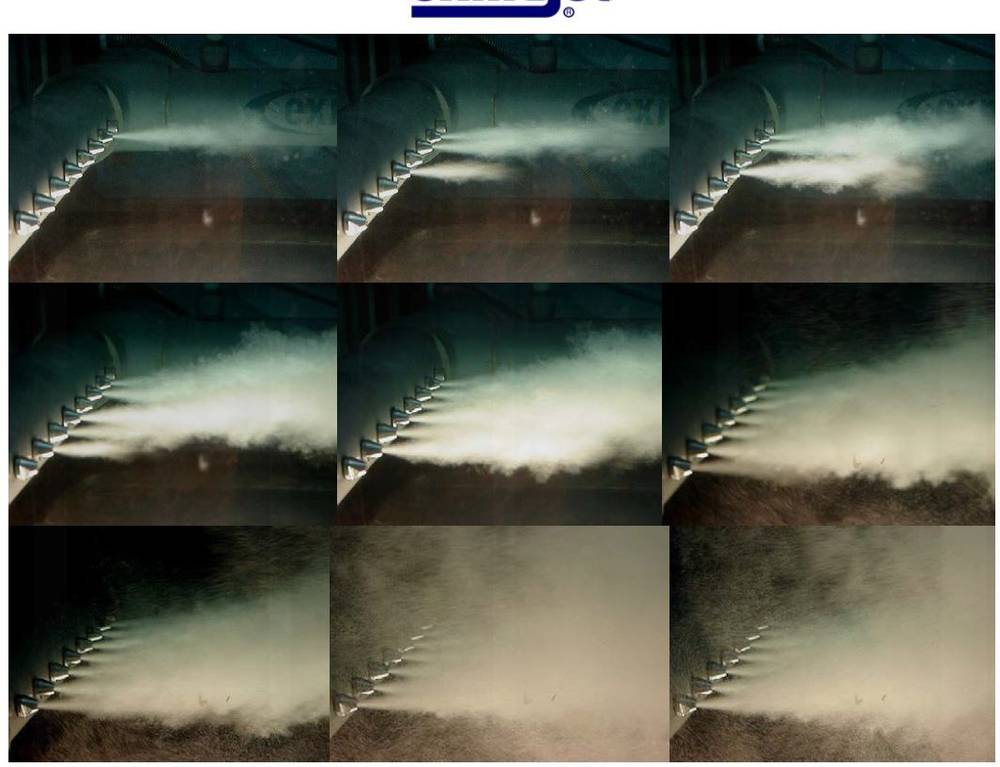
Each jet creates a low-pressure zone. Aspiration tubes connect that zone to the clean air above the cell, so air is pulled in and sheared into fine bubbles as the electrolyte is injected. No compressor, fan or blower is involved.
The emulsion of fresh electrolyte, air and bath rises evenly across the whole cathode face, with no shadow areas, thinning the diffusion layer from bottom to top.
Because the manifold sits on the perimeter, the cell floor stays clear: anode slimes settle in the centre and cleaning is faster than with floor spargers.
From workshop to cell
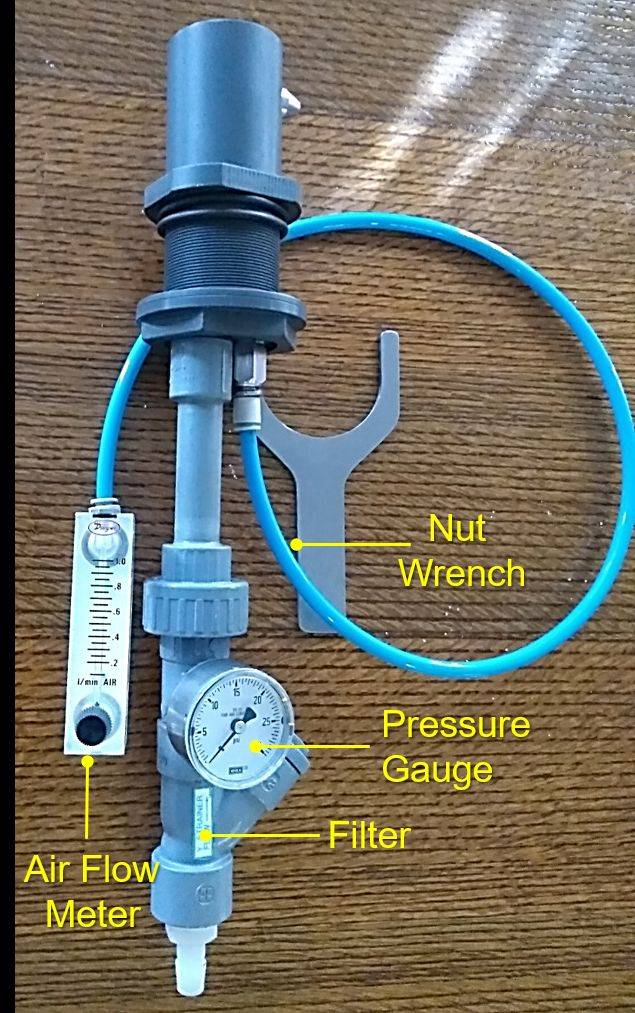
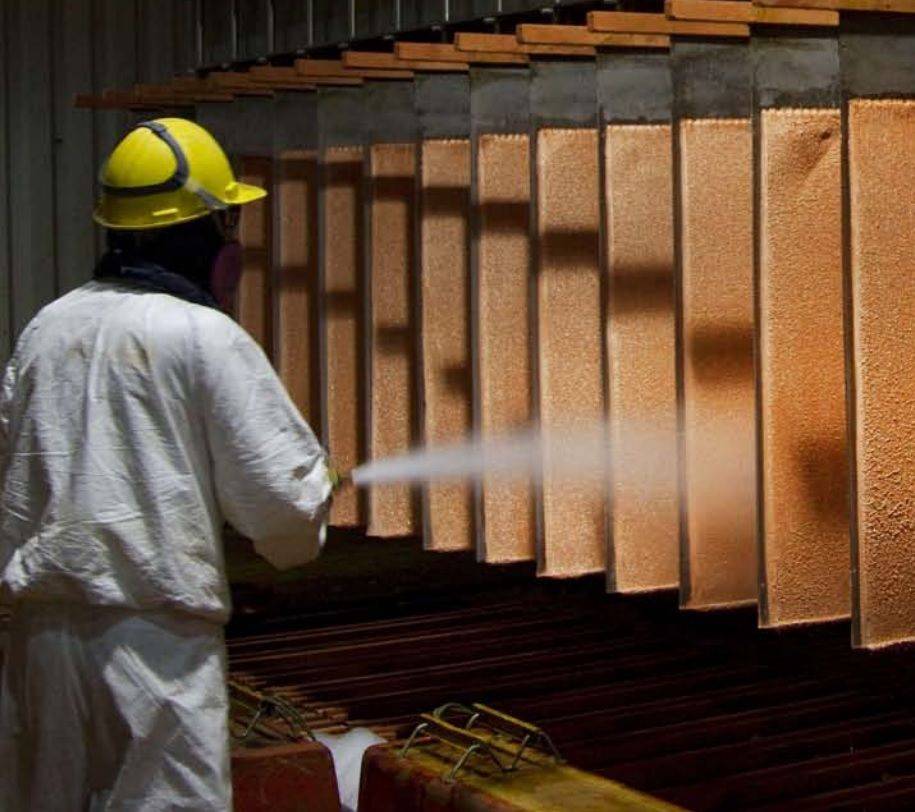
Jets in operation
Specifications
| Injectors | Stainless steel SS316, along both long sides of the cell |
|---|---|
| Manifold | Coaxial CPVC pipe (3" in a 51-cathode cell), perimeter ring at the cell bottom |
| Air intake | CPVC aspiration tubes open above the electrolyte |
| Feed | Filtered cell feed electrolyte (200 µm), from the recirculation pump |
| Air supply | None: aspirated by the jets, no compressor or blower |
| Moving parts | None in the cell |
| Dimensions | Made to each plant's cell, cathode count and available pressure |
| Retrofit | Fits existing cells in place of the standard feed distributor |
Tested from the glass cell to the tankhouse
Industrial cells in operating plants, laboratory cells at 600 A/m² and two-phase CFD all show the same effect: an even emulsion and a smoother deposit at high current density.
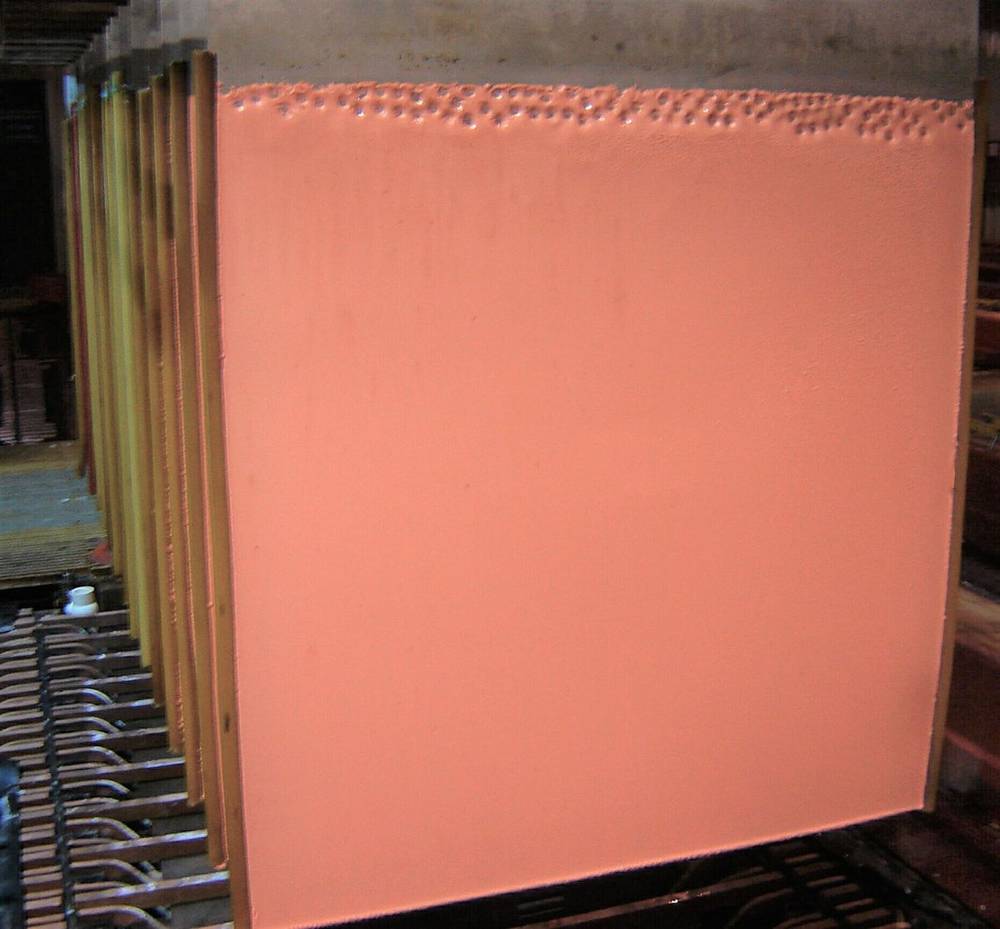
Industrial cell in an operating copper tankhouse, Chile
One commercial cell fitted with EXMAJET®, 14 consecutive harvests between November and December 2006 on 3 to 4 day cycles, current density raised from about 400 to 466 A/m². Cycle length and current efficiency by harvest, from the plant's harvest records:
Average 92.2% current efficiency over the 14 harvests; lead in the cathodes 0.5 ppm in every harvest analysed.
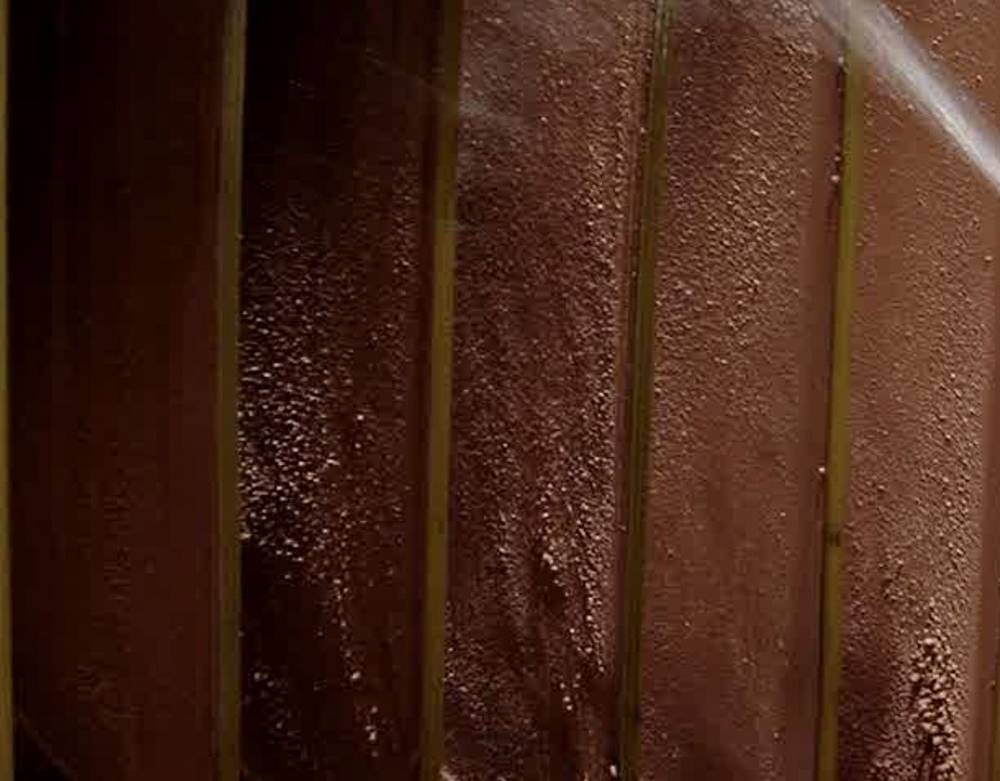 No aeration
 EXMAJET®
Industrial cell, Kazakhstan, 2017
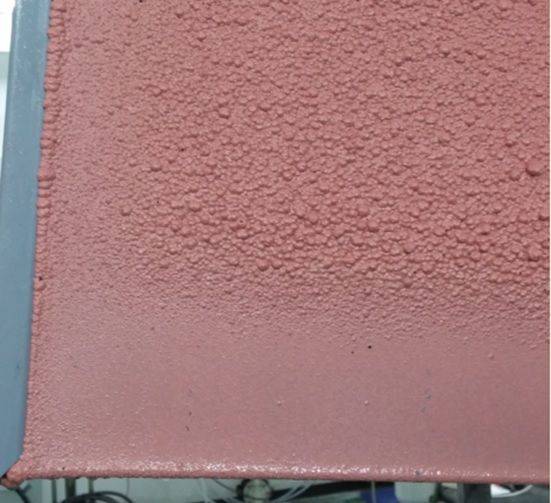
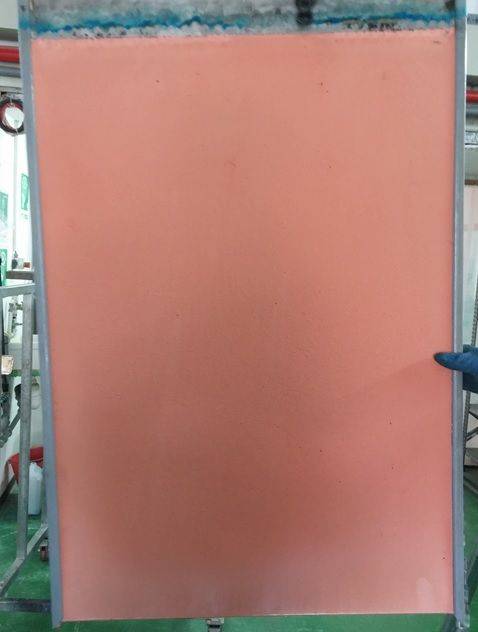
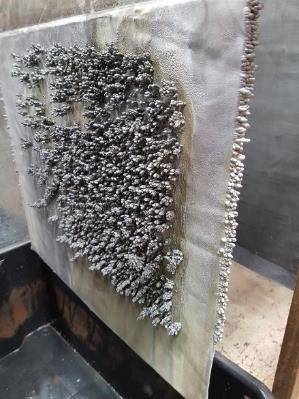
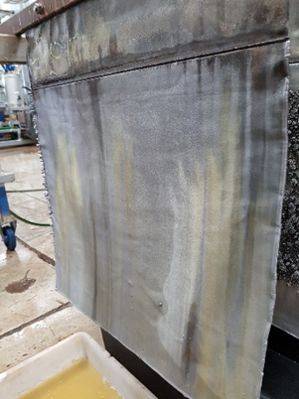
EXMAJET® and ECAPS® fitted to one 51-cathode cell (5,350 × 1,400 × 1,200 mm, 95 mm spacing) and run at 400 to 500 A/m² next to a reference cell. The fitted cell plated faster in the first phase and gave a smoother deposit from top to bottom, without the demisting-ball and insulator marks, nodulation and shorts seen on the reference cathodes.
Lesson carried into the current design: the air inlets must be protected from acid mist, which ECAPS® does.
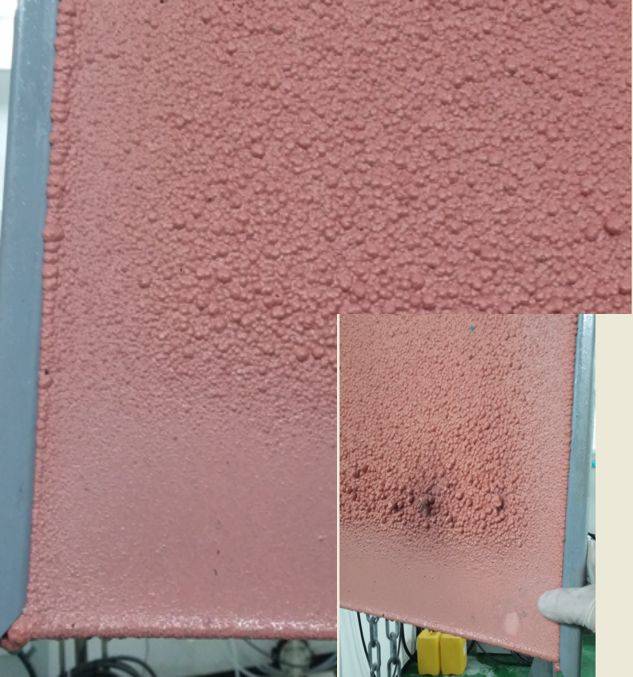
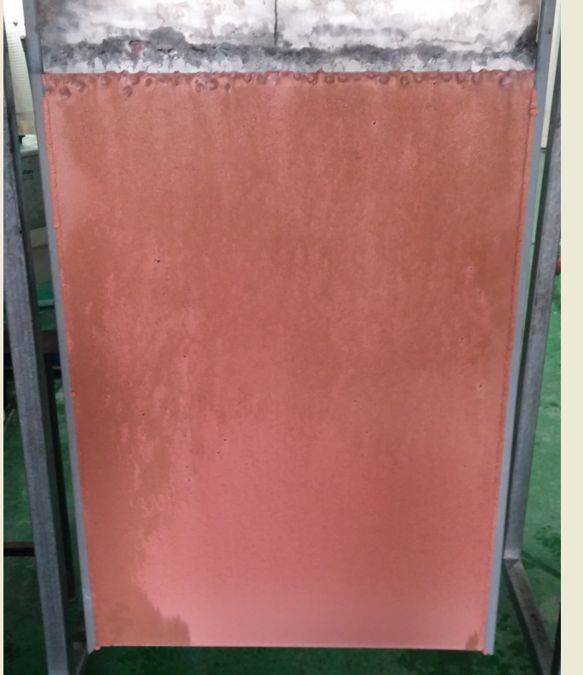
Laboratory cells at 600 A/m²
Third-party technology centre, 24 and 48 hour runs at 600 A/m² with 4 injectors: the face on the jet side plated smoother than the face without aeration. In an Australian laboratory mini-cell the emulsion stayed stable with bubbles of about 1 mm, and the deposit was good with additive dosing cut to 25% of the previous consumption.
 No aeration
 EXMAJET®
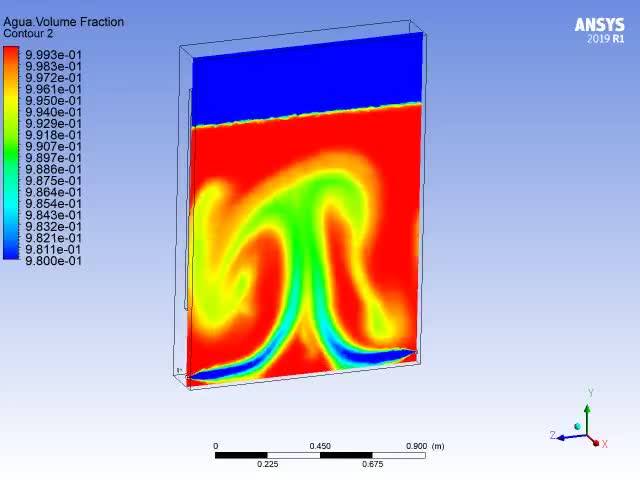
ANSYS Fluent characterisation
Two-phase CFD of the injector and of a cell section, used to size injectors, pressure drop and air suction for each cell design.
 CFD: jets rising in a cell section
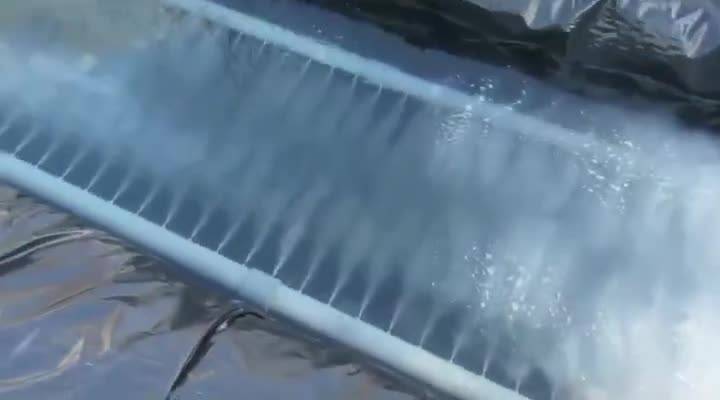 Emulsion in a test cell
How EXMAJET® compares with current cell agitation
Air sparging works. What has kept it out of most tankhouses is the hardware around it.
| Method | Air source | At cell cleaning | Main drawbacks |
|---|---|---|---|
| Standard feed distributor | None | Stays in place | Agitation only from anode oxygen and natural convection; uneven, weakest at the cathode bottom |
| Perforated or porous sparging pipes | Blowers or low-pressure compressors | Pipes on the floor must be lifted | Bubble size swings with small pressure changes, air pretreatment needed, oil droplets from compressors, pipes damaged by falling objects |
| Air-steam sparging hung from anodes | External supply | Must be handled | Extra hardware in the interelectrode space, high maintenance |
| EXMAJET® | Aspirated by the jets, from above the cell | Perimeter ring stays, floor clear | Needs recirculation pressure at the manifold; air inlets protected from acid mist |
 No aeration
 EXMAJET®
 No aeration
 EXMAJET®
What changes in the tankhouse
- Shorter plating cycles: harvest in fewer days at higher current density
- More copper from the existing cells
- Or the same copper from fewer cells in operation: fewer electrodes in service and less seeding, short-checking, cleaning and maintenance work
- Smaller tankhouse for new projects
- Smoother, denser cathodes with fewer nodules and shorts
- No blowers, compressors or air treatment to buy and maintain
- No risk of compressor oil reaching the electrolyte
- Even agitation over the whole cathode, with no shadow areas
- Cell floor stays clear for faster slime removal
- No moving parts in the cell
- Retrofits existing cells in place of the feed distributor
Proven in plants and laboratories on four continents
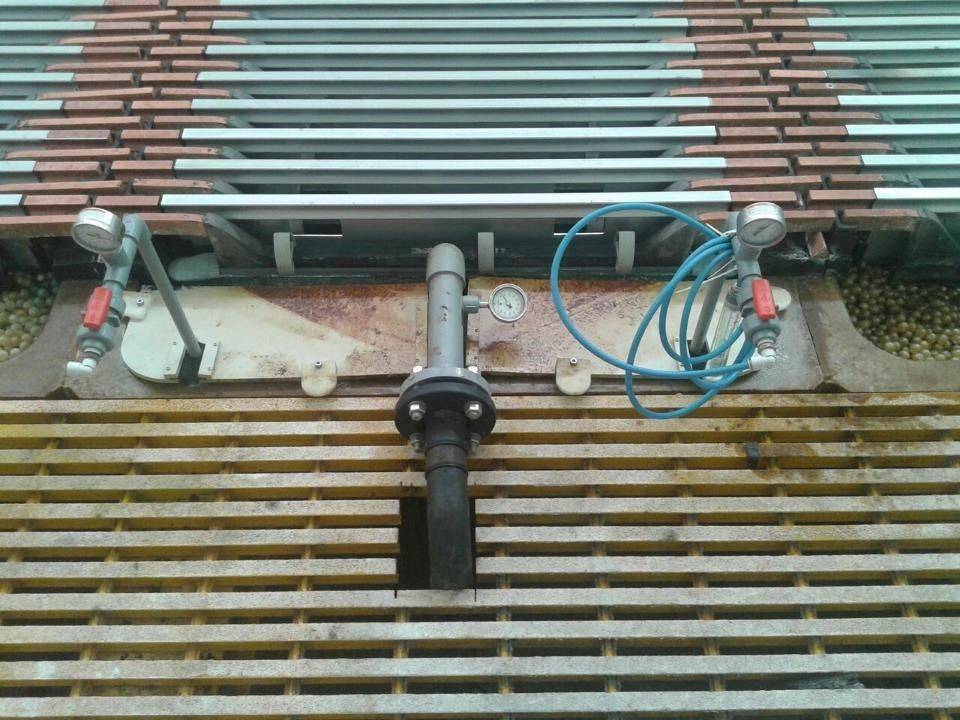
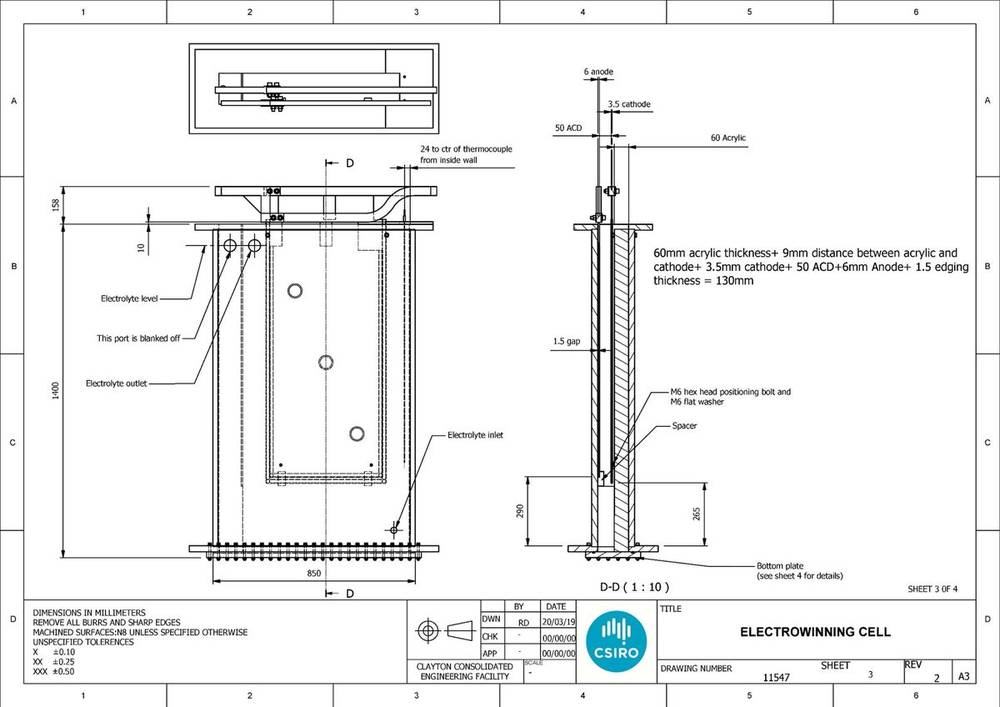
Also: field pilot in Zambia (2006 to 2008) and manifold hydraulic tests in a Chilean copper tankhouse (2019).
Pair it with ECAPS® for acid mist abatement
More bubbles and more current mean more acid mist. ECAPS® sits on each anode and confines the mist just above the electrolyte, and it keeps the EXMAJET® air inlets clean. Together they let a plant raise current density and keep the workplace inside the limits.

Designed and made by EXMA in Chile
EXMA has manufactured cell-top equipment for electrowinning and electrorefining in San Bernardo, Santiago, since 1985. Each EXMAJET® manifold is built to the plant's cell, cathode count and pump, tested in a full-size cell at our plant, and shipped ready to install.
Find out how many days you can take off each harvest
Tell us about your cells, your plating cycle and the current density you want to reach. We will size EXMAJET® for your cell and pump and send a proposal, or set up a pilot cell so you can compare it with your own reference cells.
Cristóbal Rodillo
crodillo@exma.cl
San Bernardo, Santiago, Chile